Failure Modes — MAST, Groupthink, Monoculture, Cascading Errors
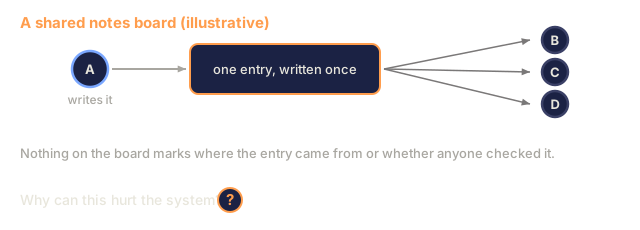
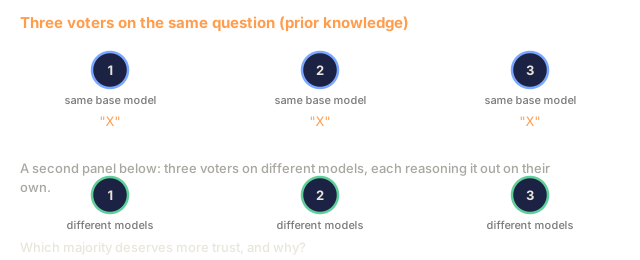
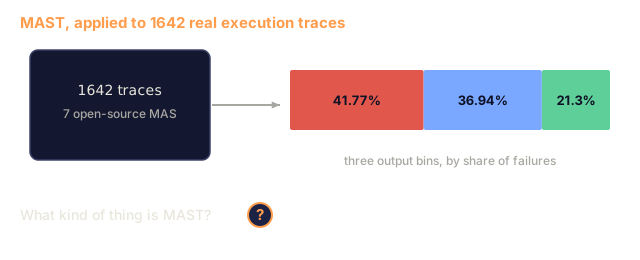
MAST (Cemri et al., NeurIPS 2025, arXiv:2503.13657) is the reference taxonomy for multi-agent failures. It comes from 1642 execution traces across 7 state-of-the-art open-source MAS, which failed 41-86.7% of the time. Three root categories: **Specification Problems** (41.77%) for role ambiguity and unclear task definitions, **Coordination Failures** (36.94%) for communication breakdowns and state desync, and **Verification Gaps** (21.30%) for missing validation and absent quality checks. The **Groupthink** family (arXiv:2508.05687) adds monoculture collapse (same base model, correlated failures), conformity bias (agents reinforce each other's errors), deficient theory of mind, mixed-motive dynamics, and cascading reliability failures. The loud cascade is the retry storm: a payment failure triggers order retries, which trigger inventory retries, which overwhelm the inventory service (10x load in seconds), so it needs circuit breakers. The quiet one is memory poisoning: one agent's hallucination enters shared memory, downstream agents treat it as fact, and accuracy decays so gradually that root-causing it is painful. **STRATUS** (NeurIPS 2025) reports a 1.5x mitigation-success improvement from specialized detection, diagnosis, and validation agents. Treat failure modes as engineering targets.
Learning Objectives
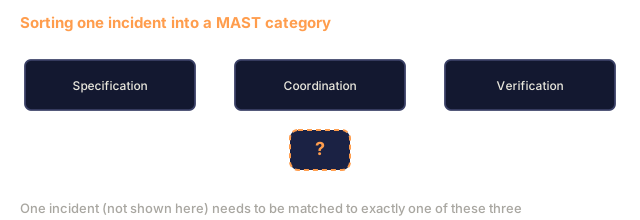
- Name the three MAST root categories (Specification, Coordination, Verification) and map an observed failure to one of them
- Recognize the five Groupthink failures, including monoculture collapse, and explain why correlated agents break voting
- Apply circuit breakers and capped retry budgets to stop a retry storm, and read the Build It numbers critically
- Describe the STRATUS detection, diagnosis, and validation roles and the five-step failure-mode audit
- Choose slow-failure proxies that catch silent drift before it becomes a visible error
Problem
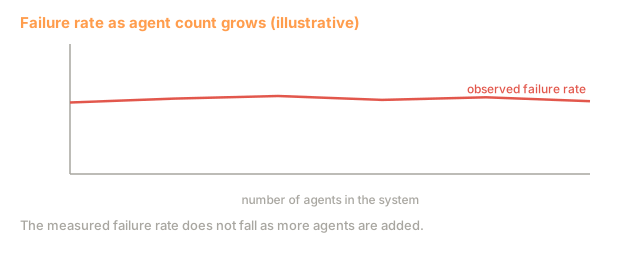
Cemri et al. (2025) measured multi-agent systems failing 41-86.7% of the time on real tasks, across 7 open-source MAS. Adding more agents does not fix that, because the failures have structural causes. The MAST taxonomy names the categories, and this lesson maps each one to a detection, diagnosis, and mitigation pattern so the numbers stop looking arbitrary.
Treat failure modes as design inputs. An architecture is not good enough until you can point at each MAST category and name the mitigation you deployed for it.
Concept
MAST categories
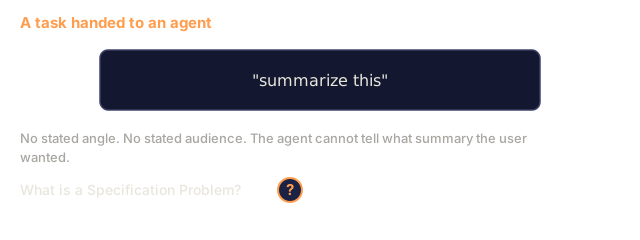
Specification Problems (41.77% of failures). The agent's task was not defined tightly enough. Examples:
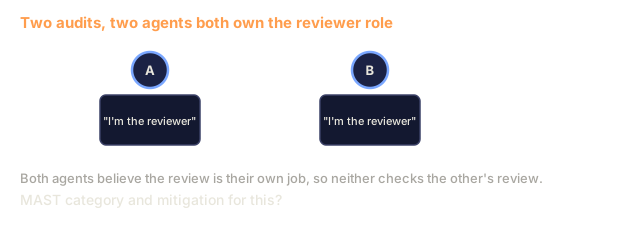
- Role ambiguity: two agents both think they are the reviewer.
- Task underspecified: "summarize this" when the user wanted a specific angle.
- Success criteria implicit: the agent cannot tell if it succeeded.
Mitigations:
- Write explicit role contracts. Each agent's prompt states what it does and what it does not do.
- Acceptance tests per task. Before the agent starts, define what "done" looks like.
- Pre-flight spec check: a separate agent reviews the task definition before dispatch.
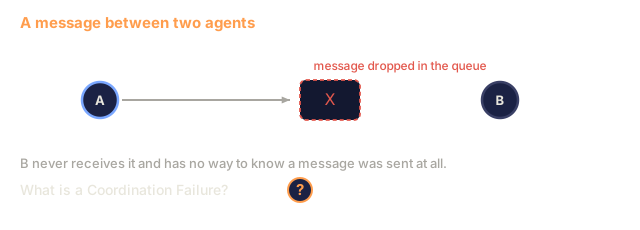
Coordination Failures (36.94%). Communication or state breakdowns.
Examples:
- Two agents update shared state without synchronization.
- A message is lost between agents (queue failure, timeout).
- State drift: agent A thinks the task is done while agent B is still executing.
Mitigations:
- Versioned shared state with optimistic concurrency.
- Explicit acknowledgment for critical messages (retry until acked).
- Periodic state-sync checkpoints to detect drift early.
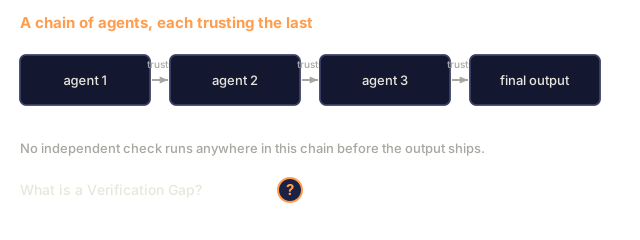
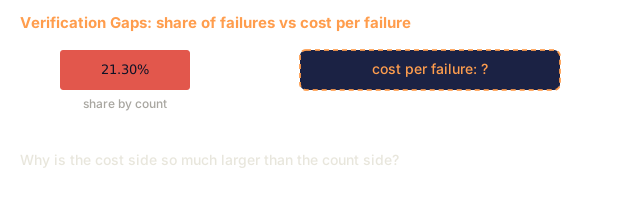
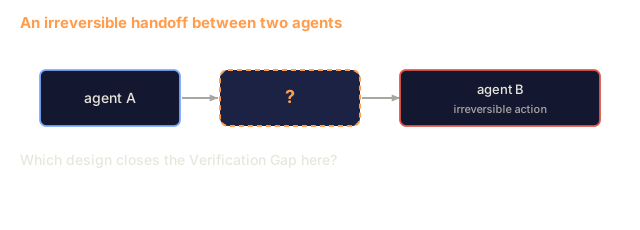
Verification Gaps (21.30%). No independent check on outputs.
Examples:
- One agent claims success and no one verifies.
- A chain of agents each trusts the prior one's output.
- Test coverage is missing on the emergent composed behavior.
Mitigations:
- Independent verifier agent (Lesson 13). Read-only, with independent source access.
- Explicit handoff contract: A's output must pass checker C before B starts.
- Outcome logging for post-hoc analysis.
Groupthink family (arXiv:2508.05687)
Five related failures show up when agents homogenize or mimic each other.
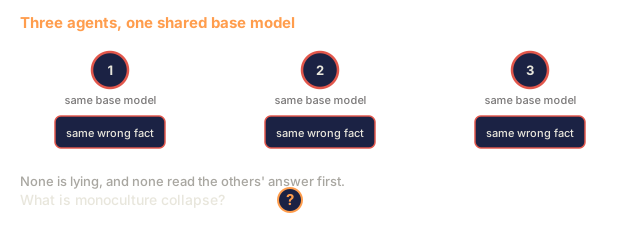
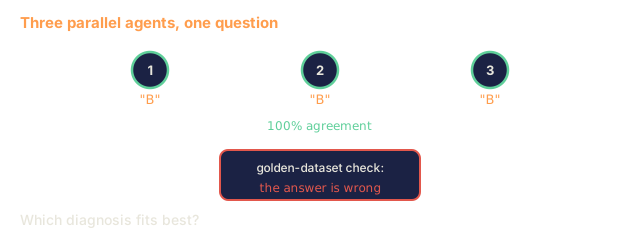
Monoculture collapse. Same base model or training data means correlated errors. When three agents share an LLM, they share its hallucinations.
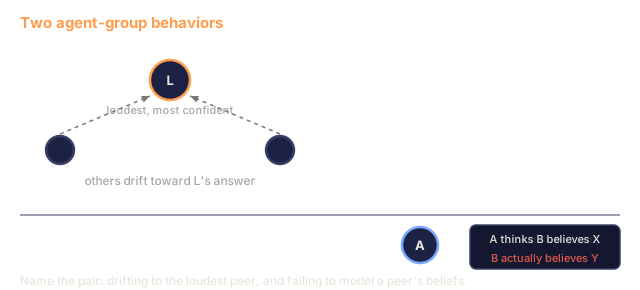
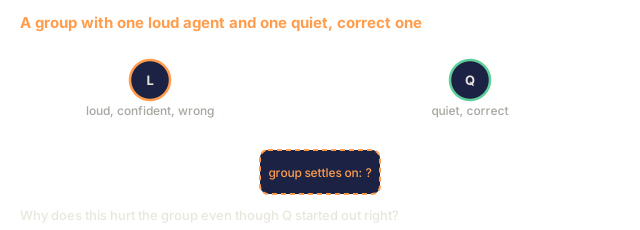
Conformity bias. Agents adjust toward the loudest or most confident peer, even when that peer is wrong.
Deficient ToM. Agents fail to model each other's beliefs, and coordination falls apart (Lesson 18).
Mixed-motive dynamics. Agents with partially aligned incentives drift toward a compromise middle that satisfies no one.
Cascading reliability failures. One component's error pattern triggers error patterns in the components that depend on it.
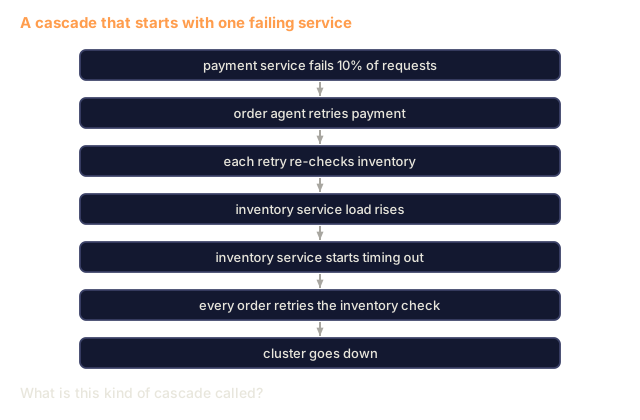
Cascading example: the retry storm
A classic incident pattern:
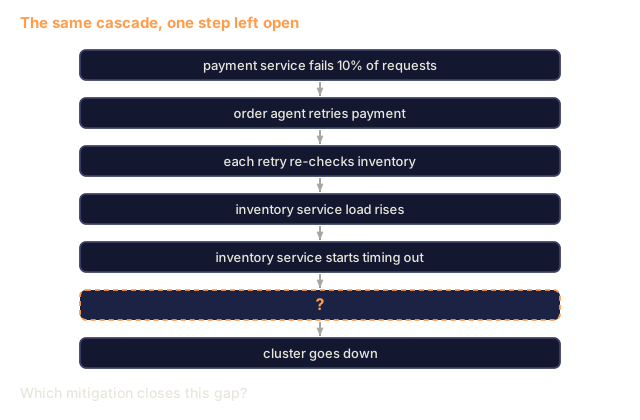
payment service fails 10% of requests
   ↓
order agent retries payment (exponential backoff but naive)
   ↓
each retry is a new order-inventory check
   ↓
inventory service sees 2x normal load
   ↓
inventory service starts timing out
   ↓
every order retries inventory check
   ↓
inventory service sees 10x normal load
   ↓
cluster goes down
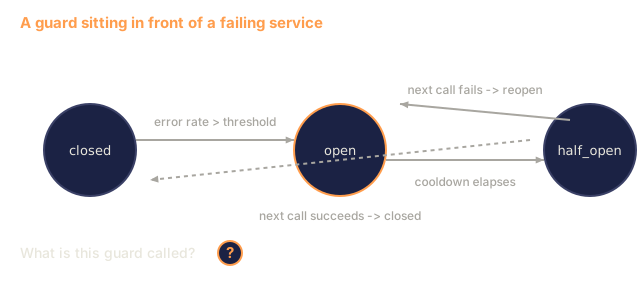
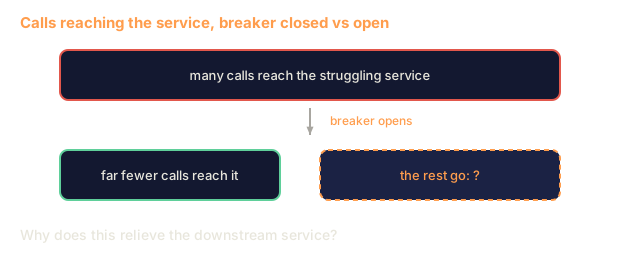
The fix is classical: circuit breakers. When the downstream error rate crosses a threshold, short-circuit with cached or default results, and cap the retry budget per request.
Circuit breakers are one of the few multi-agent failure mitigations you can borrow from distributed systems without modification.
Memory poisoning (revisited)
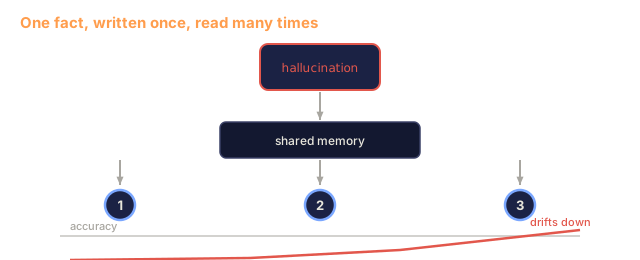
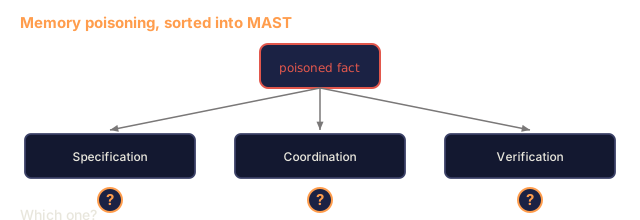
From Lesson 13: one agent's hallucination becomes a shared-memory fact, and downstream agents reason on it. In MAST terms this is a verification gap at the shared-memory layer.
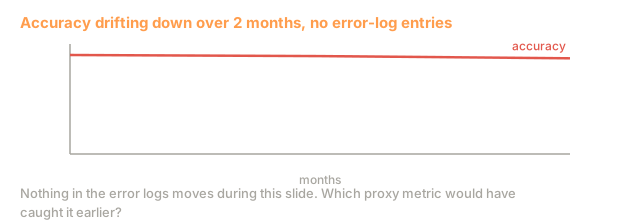
The symptom is gradual accuracy decay. You do not get a crash. You get slow drift that is hard to root-cause.
The mitigation is an append-only log, provenance, and an unwritable verifier, all covered in Lesson 13.
STRATUS: specialized agents for failure detection
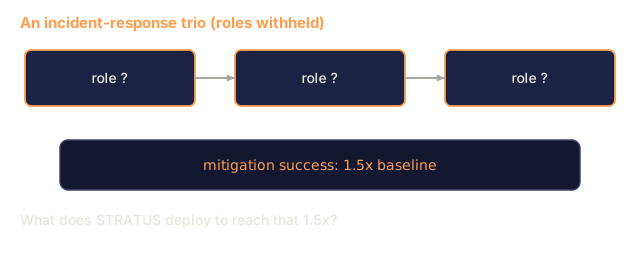
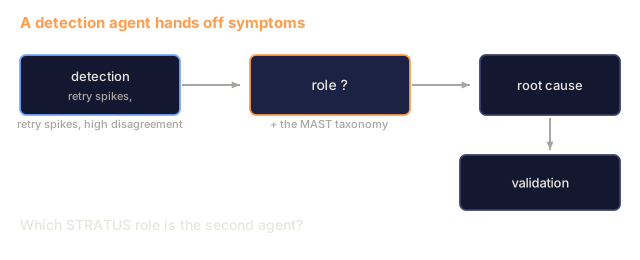
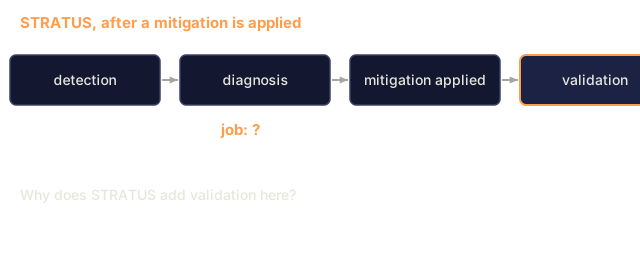
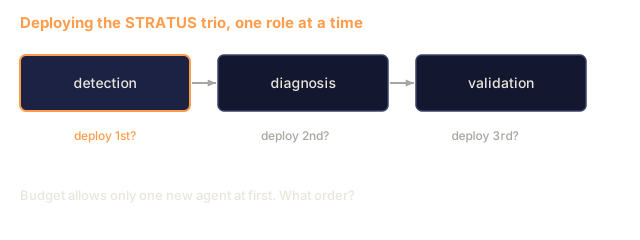
STRATUS (NeurIPS 2025) reports a 1.5x mitigation-success improvement when you deploy three roles:
- Detection agent. Watches for symptom patterns (high disagreement, retry spikes, accuracy drift).
- Diagnosis agent. Given symptoms, infers the likely root cause from the MAST taxonomy.
- Validation agent. After a mitigation is applied, checks that the symptoms clear.
This is SRE-style incident response applied to agent systems. All three roles can be LLM agents with specialized prompts.
The failure-mode audit
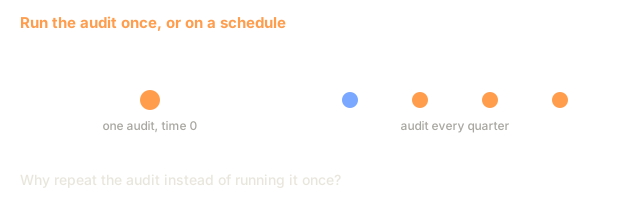
Run a failure-mode audit on a schedule, or at least per major release:
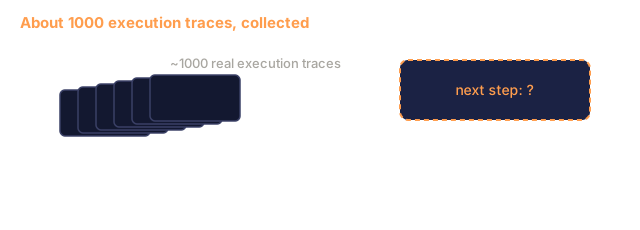
- Trace sample. Collect ~1000 real execution traces.
- Categorize. Map each trace's failures to MAST + Groupthink categories.
- Compute failure-by-category rate. Which categories dominate your system?
- Rank mitigations. Which fix would eliminate the most failures?
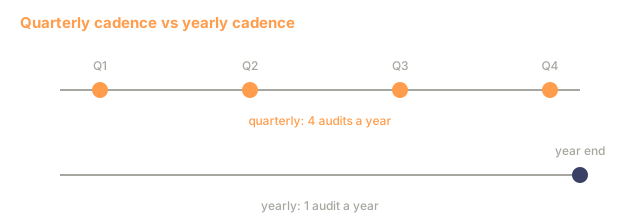
- Pick 2-3 mitigations. Implement them and re-audit next quarter.
The discipline matters more than the specific choices. Without audits, failures blend into noise and never get addressed systematically.
When systems fail silently
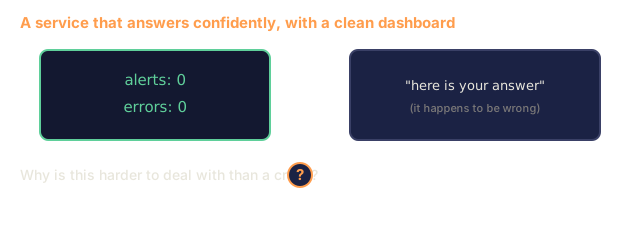
Silent correctness failure is the most dangerous category. A system that fails loudly (crash, exception, alert) can be monitored. A system that produces plausible but wrong outputs will not show up in exception logs. That is why verification gaps are the most expensive category per failure even though they are only 21.30% by count.
Invest in:
- Sample-based human review.
- Golden-dataset regression tests.
- Cross-agent cross-checking on important outputs.
Failure vs slow failure
Immediate failures (timeout, schema mismatch, auth error) are cheap to detect. Slow failures (memory poisoning, monoculture drift, role ambiguity) are expensive to detect and prevent.
So instrument proxies for the slow ones and catch drift before it becomes a visible error. Agreement rate, retry rate, output-length distribution, and edit distance between consecutive agent versions all work.
Build It
main.py is stdlib-only Python, built from these pieces:
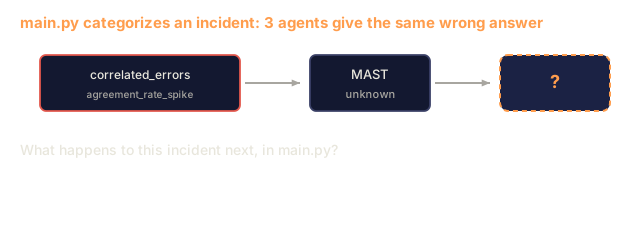
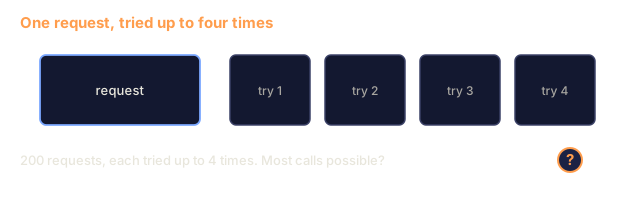
categorize_incidentanddetect_groupthinkmap symptom flags to MAST and Groupthink categories. They are plainifchecks, a scripted stand-in for a STRATUS-style detection agent.CircuitBreakertracks a sliding window of outcomes and moves between closed, open, and half-open states.DownstreamServicefails more often as load rises, andsimulate_retry_stormtries each request up to four times against it, with the breaker on or off.
Run:
python3 main.py
Expected output:
- Five incidents categorized. The monoculture and cascade incidents come back
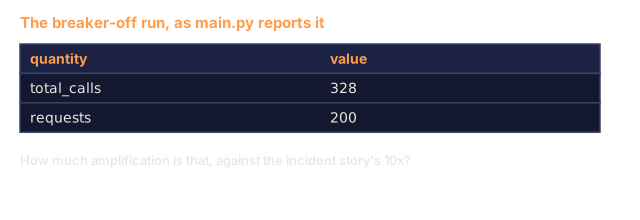
unknownunder MAST and are caught by the Groupthink check instead. - Retry storm with no circuit breaker: 328 calls for 200 requests with the default seed.
- With the circuit breaker: 140 calls reach the service and another 87 attempts are short-circuited, so the downstream service sees far less traffic at the cost of fewer successes.
Use It
outputs/skill-mast-auditor.md runs a MAST-style failure-mode audit on a multi-agent system: traces in, categorization, then a ranked list of mitigations.
Ship It
Failure-mode discipline in production:
- MAST audit per quarter. Annual is too slow, because categories shift as your system grows.
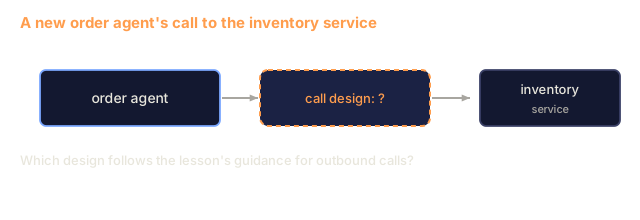
- Circuit breakers on every outbound call to a dependent service. Default open threshold at 5-10% error rate.
- Golden datasets. Small, high-quality, hand-audited. Regression-test against them weekly.
- STRATUS trio. Detection, diagnosis, and validation agents monitoring production. Start with the detection agent alone and add diagnosis when symptoms get noisy.
- Failure budget. An explicit SLO for failure rate by category. Exceeding it triggers a stop-shipping conversation.
I'd run main.py and read the retry-storm numbers skeptically. With the default seed, the run without a breaker makes 328 calls for 200 requests, nowhere near the 10x in the incident story above. The toy caps each request at four attempts, so it can only amplify so far. What it shows cleanly is the direction: the breaker run sends 140 calls to the service and short-circuits another 87 attempts before they reach it.
The categorizer is a handful of if statements over symptom flags, not a STRATUS-style agent, and I think that is a fine place to start. Watch what it does with the monoculture and cascade incidents: MAST returns unknown, because those belong to the Groupthink family. If you build a real detection agent, give it both taxonomies from day one.
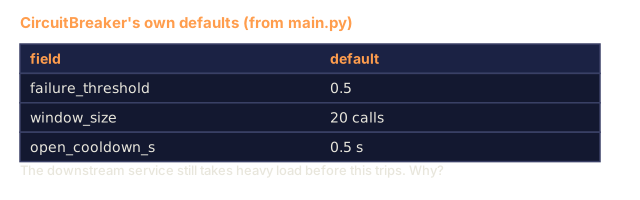
One thing I'd change before shipping. CircuitBreaker defaults to opening at a 0.5 error rate over a 20-call window, which is far looser than the 5-10% I suggest in Ship It. Set failure_threshold yourself and rerun to see what a tighter breaker costs in successes.
Exercises
- Run
main.py. Confirm the circuit breaker caps the retry storm. Varyfailure_thresholdonCircuitBreakerand observe the tradeoff. - Implement a slow-failure proxy: agreement rate across 3 parallel agents. When it drops sharply, trigger an alert. Simulate a monoculture drift by gradually correlating agent outputs.
- Read Cemri et al. (arXiv:2503.13657). Pick one of their 7 MAS systems and map its top 3 failure categories. How do these compare to what MAST predicts?
- Read the Groupthink paper (arXiv:2508.05687). Identify which of the five patterns is hardest to detect in production. Propose a proxy metric.
- Design a STRATUS-style detection-diagnosis-validation trio for a specific multi-agent system you know. Which symptoms does detection watch for? What mitigations does diagnosis recommend? How does validation confirm they work?
Key Terms
| Term | What people say | What it actually means |
|---|---|---|
| MAST | "The 2026 taxonomy" | Cemri 2025; 3 root categories + 14 sub-types of failures. |
| Specification Problem | "Role ambiguity" | Task or role under-defined; agents do not know what to do. |
| Coordination Failure | "State drift" | Communication or sync breakdown between agents. |
| Verification Gap | "No one checked" | Outputs accepted without independent validation. |
| Groupthink family | "Homogeneity failures" | Monoculture, conformity, deficient ToM, mixed-motive, cascading. |
| Monoculture collapse | "Same model, same hallucinations" | Correlated errors from shared base model or training data. |
| Retry storm | "Cascading error amplification" | One failure triggers retries which amplify load downstream. |
| Circuit breaker | "Fail fast on error rate" | Open when error rate exceeds threshold; short-circuit with default. |
| STRATUS | "Incident response trio" | Detection + diagnosis + validation agents. 1.5x mitigation success. |
| Memory poisoning | "Hallucinations propagate" | Shared-memory fact tainted; downstream agents reason on poison. |
Further Reading
- Cemri et al.: Why Do Multi-Agent LLM Systems Fail?: MAST taxonomy, NeurIPS 2025
- Groupthink failures in multi-agent LLMs: monoculture, conformity, and the five-family taxonomy
- STRATUS: specialized agents for MAS incident response: NeurIPS 2025 proceedings entry (detection + diagnosis + validation)
- Release It!: stability patterns (Nygard): the canonical circuit-breaker reference
- Anthropic: Multi-agent research system: production failure-mode notes
Code
- main.py (python, 187 lines)